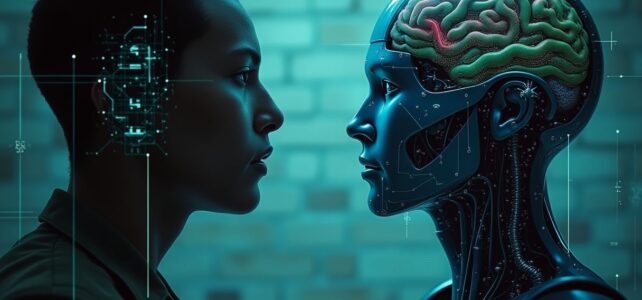
Psychotechnical tests play an essential role in our modern society. They lie at the intersection of psychology and technology, allowing for a fine assessment of an individual’s mental and cognitive abilities. Their importance continues to grow, particularly in recruitment processes, skills evaluations, and even driving tests. Beyond their primary function of selection or evaluation, these tests also reveal deeper aspects of each person’s personality and aptitudes.
Yet, their functioning often remains shrouded in mystery, and their preparation can seem daunting to many. Where do they come from, and how do they influence decisions in various fields?
Origin and evolution of psychotechnical tests
Psychotechnical tests have a rich history that dates back several decades. They have evolved over time to adapt to the changing needs of society and organizations.
- Emergence in the early 20th century: The first tests were developed in the military to assess soldiers’ abilities during World War I. These initial evaluations focused on aspects such as quick reaction and decision-making under pressure.
- Cognitive revolution: With the advent of cognitive psychology, these tests incorporated more complex aspects, such as verbal and numerical skills, logical reasoning, and memory assessment.
- Inclusion of modern technologies: Today, the use of artificial intelligence and algorithms makes these tests more precise and tailored to individual specifics.
Types and objectives of psychotechnical tests
Psychotechnical tests are varied and designed to meet different objectives, whether in a professional or personal context.
They are often used to assess cognitive abilities such as logical, spatial, and numerical reasoning.
Another type of test aims to analyze psychomotor skills, essential in certain professions where hand-eye coordination is crucial. In the workplace, these tests allow employers to select candidates best suited to the specific requirements of a position.
In daily life, they serve to evaluate the ability to obtain or renew a driver’s license, ensuring that drivers possess the necessary skills for road safety.
Personality tests, on the other hand, help to better understand individuals’ behavioral and emotional traits, often used in personal and professional coaching.
Succeeding in psychotechnical tests: keys and strategies
Preparing for psychotechnical tests requires a well-thought-out strategy. Candidates should familiarize themselves with the types of questions they may encounter and the methods to answer them effectively.
- Regular practice: Constant exercises help to get used to the various question formats and improve response speed.
- Stress management: Learning to control anxiety can make the difference between failure and success.
- Tools and resources: Many books, apps, and online platforms are available for targeted training.
Impact and consequences of psychotechnical tests
Psychotechnical tests have a profound impact on society. They influence not only recruitment decisions but also the professional and personal trajectories of individuals.
In education, they help identify hidden talents and guide students towards paths suited to their skills. At the corporate level, they promote more effective personnel management by placing individuals in roles where they can excel.
In the field of health, these tests allow for the early detection of certain cognitive diseases, thus facilitating the implementation of tailored therapies. They also play a crucial role in public safety, particularly through the evaluation of drivers and professionals operating in high-risk sectors.