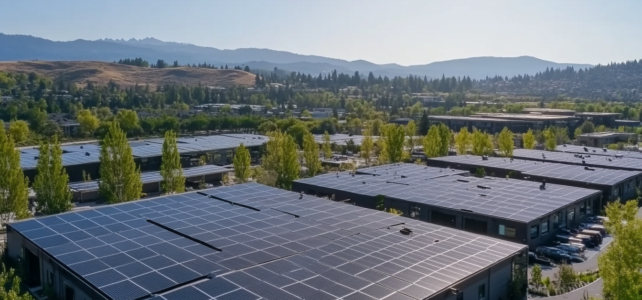
Solar energy, an inexhaustible and clean resource, is now positioned as an essential solution to global environmental and energy challenges. The ability of solar panels to convert sunlight into electricity is not only a technical feat but also a symbol of our quest for a more sustainable world. As concerns about climate change and the depletion of fossil resources intensify, the appeal of solar installations continues to grow. This phenomenon is supported by impressive technological advancements and decreasing production costs. Solar panels represent much more than an energy alternative; they embody a paradigm shift in how we conceive energy production.
Understanding How Solar Panels Work
Photovoltaic solar panels are at the heart of converting solar energy into electricity. They rely on an astonishing technology that captures sunlight and transforms it into usable energy.
- Each panel is made up of photovoltaic cells typically made from silicon, a material capable of producing an electric current when exposed to light.
- Photons, particles of light, strike the surface of the panel and release electrons in the silicon, generating a direct current.
- This current is then converted into alternating current by an inverter, making the electricity compatible with home networks.
- The process is emission-free, making solar panels extremely environmentally friendly.
The Benefits of Solar Panels for Individuals and Businesses
Adopting solar panels offers a series of significant benefits that affect both households and businesses.
For individuals, installing solar panels on their rooftops can considerably reduce energy bills while increasing property value. Tax incentives and government grants facilitate access to this technology. For businesses, adopting solar energy translates into reduced operational costs and an improved brand image by demonstrating a commitment to sustainable development. Additionally, the ability to sell excess energy back to the grid generates extra income, making the investment even more attractive.
The Technical and Economic Challenges of Solar Panels
The emergence of solar panels comes with technical and economic challenges that deserve particular attention to ensure their long-term viability.
Weather conditions can influence solar energy production, necessitating the integration of efficient storage systems to guarantee a continuous electricity supply. Furthermore, installing solar panels requires initial investments that, although constantly decreasing, remain significant for some budgets. Advances in recycling end-of-life panels and managing waste from their production are also crucial aspects to improve. Technological innovations will need to continue to progress to overcome these obstacles and optimize solar energy production.
The Role of Solar Panels in the Energy Transition
Solar panels play a vital role in the global energy transition, a process aimed at reducing dependence on fossil fuels in favor of renewable energies.
- They provide an immediate response to climate challenges by decreasing CO2 emissions.
- Their large-scale deployment promotes the decentralization of energy production, making electrical grids more resilient.
- Innovations in solar technologies, such as bifacial panels or perovskite cells, promise to further increase their efficiency.
- Political and economic support for these technologies is crucial to encourage their widespread adoption.
Solar panels, by their ability to transform light into clean energy, stand out as a key solution for a sustainable energy future. They represent a major scientific advancement, supported by numerous environmental and economic benefits. The transition to this renewable energy source does not come without challenges, but it paves the way for unprecedented opportunities for a greener and more resilient world. By investing in solar technologies, we are investing in the future of our planet and future generations.