Surrounded by a veil of mystery and uncertainty, cannabis and its detection in saliva are a constant source of debate. Its detection duration, which varies greatly depending on various factors such as consumption method, frequency of use, and individual metabolism, remains unclear. These elements are essential for understanding the extent of cannabis’s impact on health, the effectiveness of screening tests, and the legality of its use. This is a question that concerns health professionals, lawmakers, and users themselves.
Detection duration of cannabis in saliva: what are the consequences
The factors influencing the presence of cannabis in saliva are numerous and complex. The consumption method plays a crucial role. Indeed, smoking cannabis or taking a puff from a joint in the saliva leads to faster detection than oral consumption, as is the case with THC-infused edible foods.
The frequency of use is also a key element to consider. Regular users will see their detection rates increase significantly compared to occasional users.
Individual metabolism is another essential factor. Each person has their own rate of eliminating cannabis from their body, which can affect how long it is detectable in saliva.
Recent studies have also revealed that hydration and oral pH can influence the results of saliva screening tests for cannabis. Insufficient hydration can concentrate THC-related chemicals in the saliva, while a high oral pH can delay the elimination of the cannabinoid.
It’s important to mention that certain medications, such as some opioid analgesics or CYP2C9/3A4 enzyme inhibitors (like fluconazole), can interfere with saliva tests and yield false positive or negative results.
Several factors must be taken into account when evaluating the presence of cannabis in saliva. The consumption method, frequency of use, hydration, oral pH, and medications are all variables that can influence test results. It is crucial for health professionals and lawmakers to consider these elements in order to establish effective policies regarding cannabis screening in saliva to ensure a fair and informed approach.
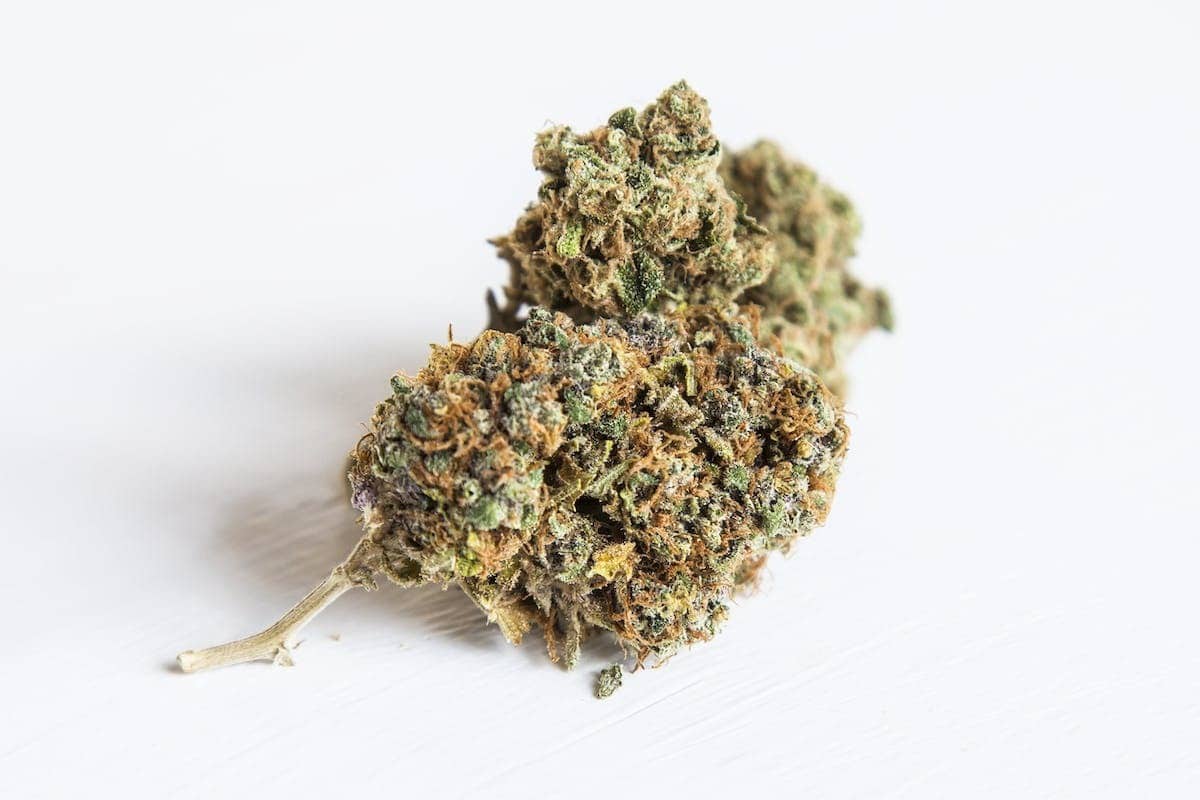
Factors influencing the presence of cannabis in saliva: a study reveals
When it comes to detecting the presence of cannabis in saliva, several methods are used. The most commonly employed method is the immunochromatographic test. This test relies on the use of specific antibodies that react with the THC metabolites present in saliva.
This test is quick and easy to perform. It simply requires taking a saliva sample using a swab or a special strip, then placing this sample in a reactive solution. If THC metabolites are present, a chemical reaction occurs, causing a color change on the test device.
It should be noted that this type of test does not allow for precise quantification of the cannabis level present in saliva. It simply indicates whether THC metabolites are detected or not.
Another method used is gas chromatography coupled with mass spectrometry, also known as GC-MS (Gas Chromatography-Mass Spectrometry). This technique allows for a more in-depth analysis of the chemical components present in saliva. It offers increased sensitivity and selectivity compared to immunochromatographic tests.
Liquid chromatography coupled with mass spectrometry (LC-MS) is also used to detect cannabis-related compounds in saliva. This method allows for the identification of different cannabinoids such as THC, CBD, and other metabolites.
These more advanced methods require specialized equipment and are generally used in laboratories rather than in the field. They are often reserved for more complex forensic or medical analyses.
There are different methods for detecting cannabis in saliva. The immunochromatographic test is widely used due to its simplicity and speed. For a more precise analysis of the chemical components present in saliva, techniques such as gas chromatography coupled with mass spectrometry or liquid chromatography coupled with mass spectrometry may be employed.
Cannabis and oral health: what risks for consumers
The detection of cannabis in saliva raises questions about its legality and its use as a screening tool. Indeed, while some countries allow saliva tests to detect the presence of illicit substances, others question their legal validity.
In the current legislative context, each country has its own laws regarding the use of saliva tests to detect cannabis. Some countries consider these tests to be a reliable and accurate means of screening, while others believe they are not sufficiently reliable to be used as evidence in court.
In France, for example, law enforcement can use saliva tests to detect the presence of THC (the main psychoactive compound in cannabis) in drivers. If the test is positive, it can lead to a suspension of the driver’s license and other criminal penalties.
It should be noted that some contest the reliability of saliva tests in this context. They particularly point out that the detection of THC in saliva does not necessarily mean that the driver was under the influence of cannabis at the time they were tested.
Detection of cannabis in saliva: what are the consequences for users
In the previous article, we explored the question of detection of cannabis in saliva and the factors that can influence its presence. In this section, we will delve deeper into the topic by examining how long cannabis can be detected in saliva, as well as some other elements to consider.
The duration of detection of cannabis in saliva varies from person to person and is primarily determined by several key factors. The frequency and intensity of use play a major role in this duration. Indeed, the more a person regularly consumes cannabis at high doses, the longer it is likely to be detected after use.
The type of product consumed also influences its detection. Products with a high concentration of THC tend to remain in the salivary system longer than those with lower cannabinoid content.
Another important aspect is related to individual metabolism. Each body reacts differently to ingested or inhaled chemicals. Therefore, some people may metabolize cannabis components quickly while others may retain them longer.
It’s important to mention that there are certain external factors such as diet and physical exercise that can indirectly influence how long cannabis remains present in saliva. However, this influence is still subject to further research to better understand the mechanisms at play.
It should be noted that the detection of cannabis in saliva does not necessarily indicate ongoing intoxication. While saliva tests are useful for detecting recent cannabis use, they cannot indicate whether a person is currently under the influence of this substance.
It is crucial to consider the factors influencing the duration of detection of cannabis in saliva in order to correctly interpret test results. Further research is needed to refine our understanding of the subject and establish more precise screening protocols.